Cultural History Center

Where the stories of this land come alive

Experience the living history of West Michigan

Our programs and exhibits focus on the resilience, ingenuity, and cultural contributions of Michigan's Indigenous peoples—past, present, and future.

What's New

Celebrations, programs, and stories from the Cultural History Center.

Get Involved

Learn with us, bring your students, or help this work grow.

Meet Our Cultural Educator

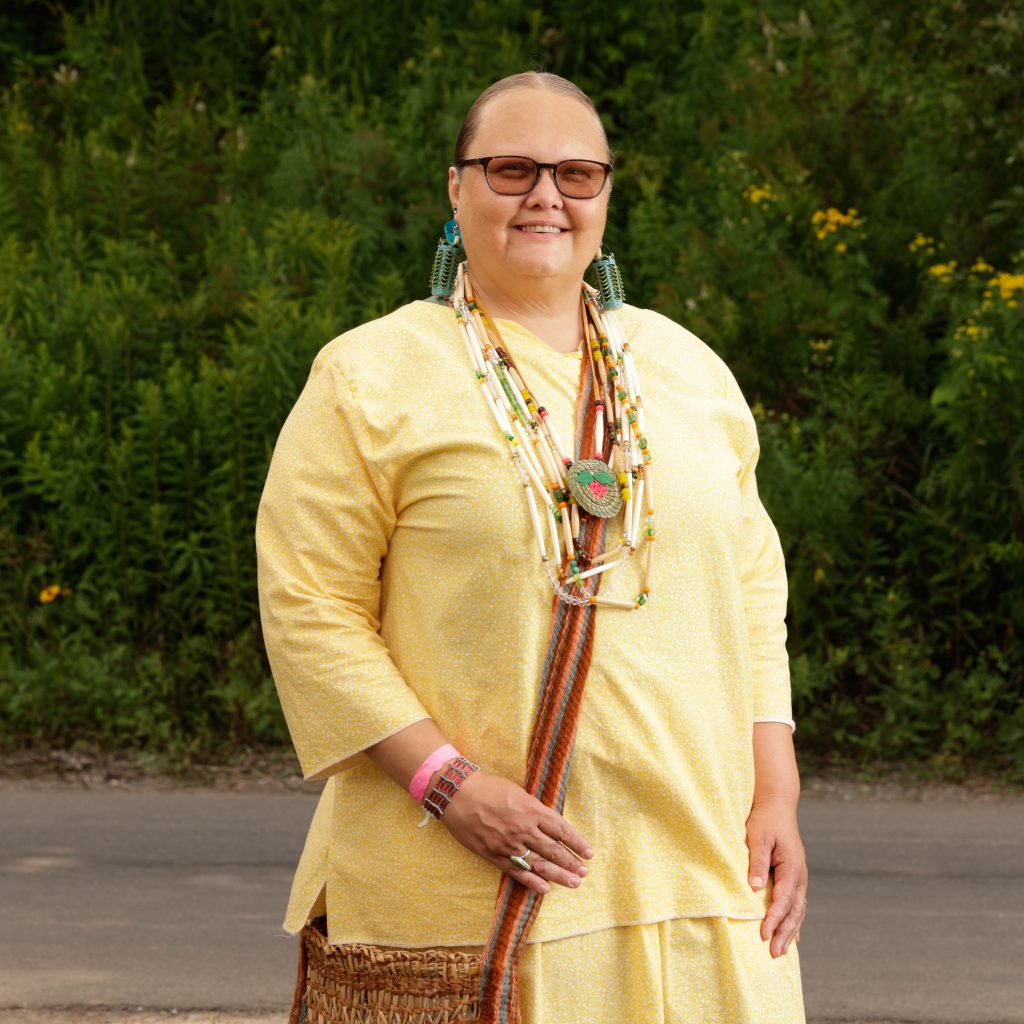
Myriah Williams

Cultural Educator

Myriah Williams is a citizen of the Pokagon Band of Potawatomi Indians with over 15 years of experience in place-based learning. At the Outdoor Discovery Center, she is the Cultural Educator where she leads programs that bridge Indigenous Traditional Ecological Knowledge (ITEK) with modern conservation science, helping students and visitors understand the deep, reciprocal relationship between humans and the natural world. Myriah holds a masters degree in Native American Education from Northern Michigan University and is dedicated to preserving the Bodewadmi language and land-based education, based on cultural connections. 

Myriah is a contributing author to the Company of Our Relatives: The Richard Pohrt, Jr. Collection, Eiteljorg Museum. She works with the youth in her tribe taking time to bring them on traditional travels deep in the Manistee forest. She has been featured on discussion panels and gives community talks about the Potawatomi and the Three Fires Confederacy of the Great Lakes.  She also serves as a Wasseya Preschool through first grade board member working to advance her community’s access to nature based education.

ODC Network's Land Acknowledgement

Recognizing the Land, Waters, and peoples that ground this work.

ODC Network recognizes that we educate and recreate on the traditional homelands of the Three Fires Confederacy of Bodewadmi (Pottawatomi), Odawa (Ottawa), and Ojibwe (Chippewa) peoples including relatives with Fins, Wings, Scales, Legs, and Roots. As learners, conservationists, and educators, our network has a responsibility to recognize and respect both the Land on which we live and teach, and the Indigenous communities whose traditions and identities are grounded in these Lands and Waters. We want to offer this acknowledgment with positive intent to honor our living relationships with the Anishinaabeg and their ways of knowing to better inform future generations.

Explore the Center

Programs and experiences for students, families, educators, and the curious.