Explore the Kalamazoo River
For thousands of years, the Kalamazoo River has connected people, communities, and the natural world. Today, the Lower Kalamazoo Water Trail invites paddlers, anglers, boaters, and wildlife enthusiasts to explore this remarkable river corridor.
The water trail connects communities, parks, preserves, natural areas, and historic sites along the Kalamazoo River, offering opportunities for both short paddling trips and longer adventures.
Plan your trip using the map below to find access points, explore the river, and discover places to visit along the way.
Interactive Map
What Might You See?
The Kalamazoo River supports a diverse mix of wildlife and plant communities. Keep an eye out for:
Birds
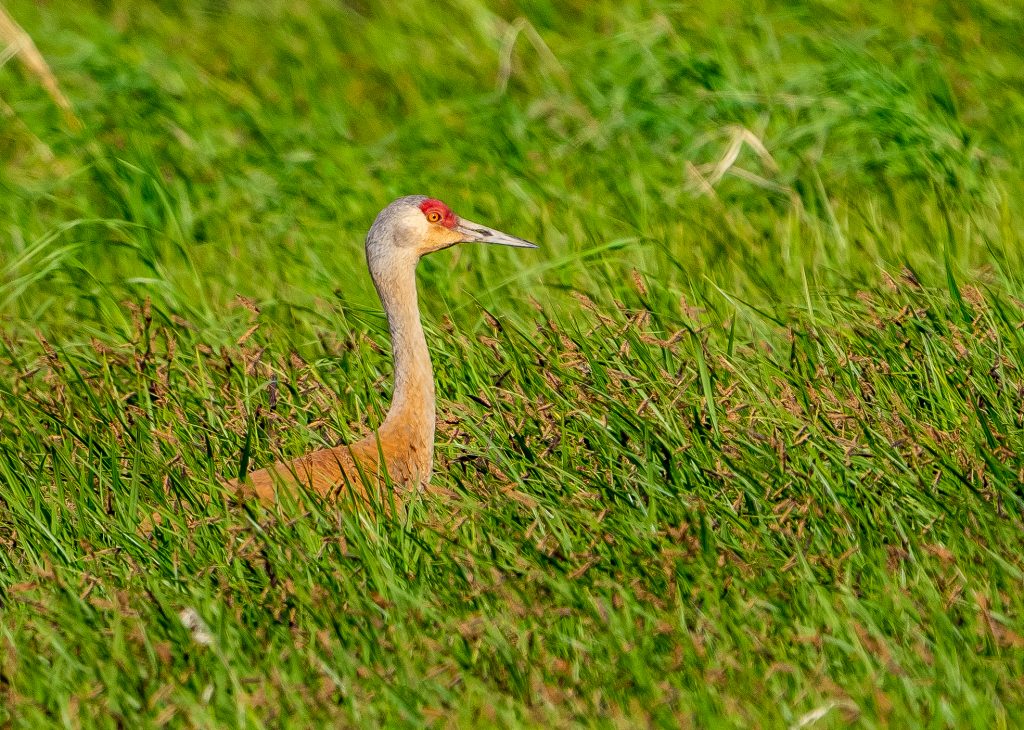
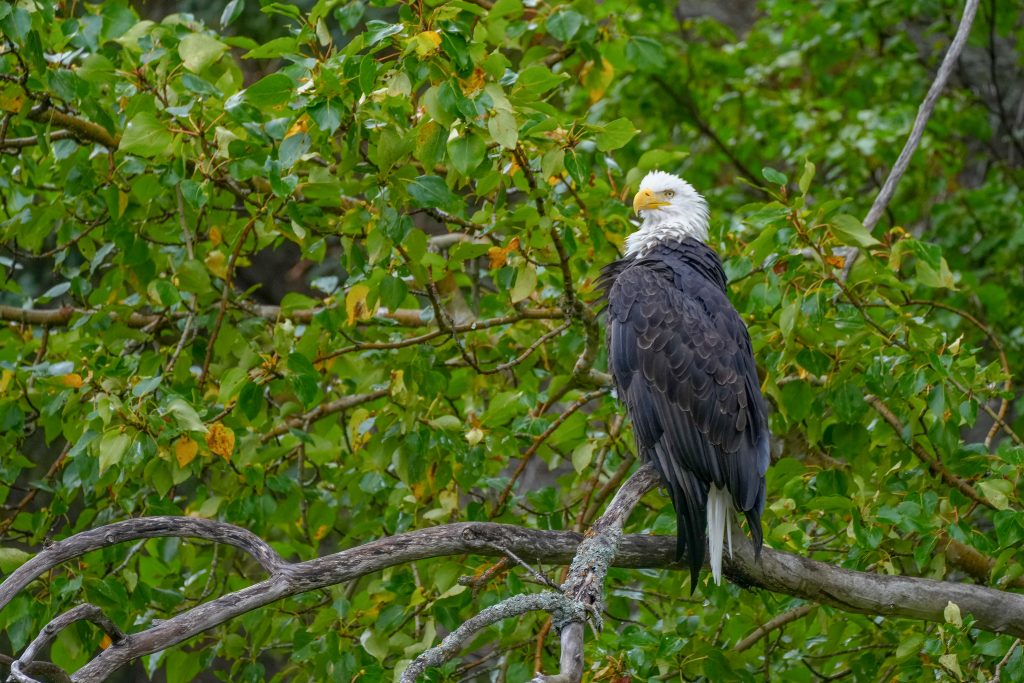
Bald eagles, trumpeter swans, egrets, sandhill cranes, and other waterfowl.
Aquatic Plants
Waterlilies, cattails, bulrushes, wild celery, and other plants that provide food and habitat for river wildlife.
Natural Features
Tallmadge Woods, Mount Baldhead, Wade’s Bayou, Silver Lake, Peach Orchard Creek, and other forests, wetlands, waterways, and shoreline habitats.
Places to Explore
The water trail connects paddlers to a variety of parks, preserves, and historic places.
Parks & Preserves
- Schultz Park
- River Bluff
- Wade Preserve
- Tallmadge Woods
- Mount Baldhead
- Saugatuck Harbor Natural Area
- New Richmond Bridge Park
- Allegan State Game Area
Historic Sites
- Singapore, MI
- Pump House Museum
- Mack’s Landing
- New Richmond Swing Bridge
Each destination offers a different way to experience the river—from paddling and fishing to hiking, wildlife viewing, and learning about the communities that have depended on the Kalamazoo River for generations.
Plan Your Paddle
Before heading out, use the trail map to identify your launch and landing locations and plan a route that fits your experience, available time, and conditions.
Know Before You Go:
- Check the weather and river conditions before launching.
- Wear a properly fitted personal flotation device.
- Be aware of currents, changing water levels, wind, and debris.
- Bring drinking water, a phone in a waterproof case, and basic safety supplies.
- Respect wildlife, sensitive habitats, and private property.
- Use designated public access points.
- Leave no trace and pack out what you bring in.
- In an emergency, call 911.
River conditions can change quickly, particularly after significant rainfall. Use caution and avoid direct contact with the river following significant rain events.
A River with a Long History
The Kalamazoo River has been an important part of this landscape for thousands of years. At least 11,000 years ago, nomadic people camped along the river. Around 500 years ago, Anishinaabe people migrated to the region from the east, using the river as a route to seasonal hunting and trapping grounds. The river provided namé (sturgeon) and manoomin (wild rice), and the Odawa and Bodewadmi people called this region home when Europeans arrived.
In the 1820s, American fur traders began traveling the river, followed by settlers and land speculators. The river became an important route for transporting lumber and other goods, and passenger service once connected Saugatuck and Allegan.
After the railroad reached New Richmond in 1871, the river’s role as a major transportation route declined. Tourism began growing in the 1880s, and today recreation—including paddling, fishing, boating, wildlife viewing, and duck hunting—is one of the river’s most important uses.
Help Protect the River
The Kalamazoo River is a shared community resource and an important habitat for people and wildlife. Your actions can help protect it for generations to come.
Explore responsibly. Respect the river. Leave it better than you found it.
Ready to Explore?
Download the Lower Kalamazoo Water Trail map OR using the interactive map above and start planning your adventure.
About the Greenway
The Kalamazoo River Greenway connects Allegan County communities through a network of natural, recreational, and educational opportunities along the river. ODC Network helps lead the vision for this connected corridor, working alongside federal, state, and local partners to protect and restore the river, preserve its watershed, and connect people to the places and experiences that make this region special.
Lower Kalamazoo Water Trail Sponsors: