

How We’re Restoring Lake Macatawa—and Protecting Its Future
It’s no secret that Lake Macatawa has struggled with water quality issues for decades. Here in West Michigan, generations of development cleared forests, drained wetlands, and straightened waterways. Nearly 90% of our historic wetlands and forestland were lost in the process.
The ripple effects of that loss generated significantly more sediment runoff from the lake’s surrounding watershed, which increases the amount of phosphorus in the water and—because it acts as a fertilizer—ultimately results in the algal blooms our community has become used to experiencing in the lake.
Water Conservation Starts on the Land
In 2013, ODC Network launched Project Clarity—a community-wide restoration initiative that brought together farmers, municipalities, researchers, and residents around a shared goal: a cleaner, healthier lake.
The project has real, measurable results. We keep 46,000 tons of sediment and 40,000 lbs of phosphorus out of the lake each year. And the initiative reduced in-lake phosphorus levels by more than 60 percent in the first 10 years.
When we started Project Clarity, our first priority was to reduce pollution entering the lake. That’s a wide-ranging challenge, encompassing how individual, corporate, and agricultural land owners care for their properties throughout the entire Macatawa Watershed.
In our first 13 years, this understanding led us to conserving 290 acres of critical land, restoring 77 acres of prairie, protecting 92 acres of wetlands, stabilizing 3 miles of streams, and supporting farmers in implementing conservation practices across 36,000 acres of land in our region.
Finding a Solution for Legacy Phosphorus
Despite significant gains, Lake Macatawa still does not consistently meet water quality standards for aquatic life. This is because there’s another problem hidden deep in the lake: legacy phosphorus. When high levels of phosphorus enter a water system over a long period of time, it infiltrates the sediment sitting on the bottom of the lake. Even if we were able to stop all new phosphorus from entering Lake Macatawa, the phosphorus in the sediment would continue to release, degrading water quality for decades to come.
For the last three years, ODC Network has been studying methods to displace this legacy phosphorus. We believe the best option for Lake Macatawa is a targeted in-lake restoration treatment that would bind up the phosphorus, preventing it from fueling algae. By restricting access to the legacy phosphorus, we significantly reduce the frequency and severity of algal blooms. We’re exploring science-backed solutions with both academic and state partners, working toward implementation in 2027.
Lake Macatawa Belongs to All of Us. So Does Its Future.
Restoring the lake is a long-term process—and none of this happens without a community that is invested in the work. To continue to see results in water quality, it is critical that we establish a sustainable funding model for restoration and community commitment to the work so that we can carry these efforts forward for years to come. Protecting what’s irreplaceable takes continued care, season after season.
Whether you’re a lakefront property owner, a farmer, a local business, or simply someone who loves this lake, there’s a role for you. To learn more or get involved, visit odcnetwork.org or reach out at development@outdoordiscovery.org.
Related Posts

Accessible Adventure: A Nature Program Built for Every Explorer

A Fallen Tree from ODC Gets a New Life at ArtPrize
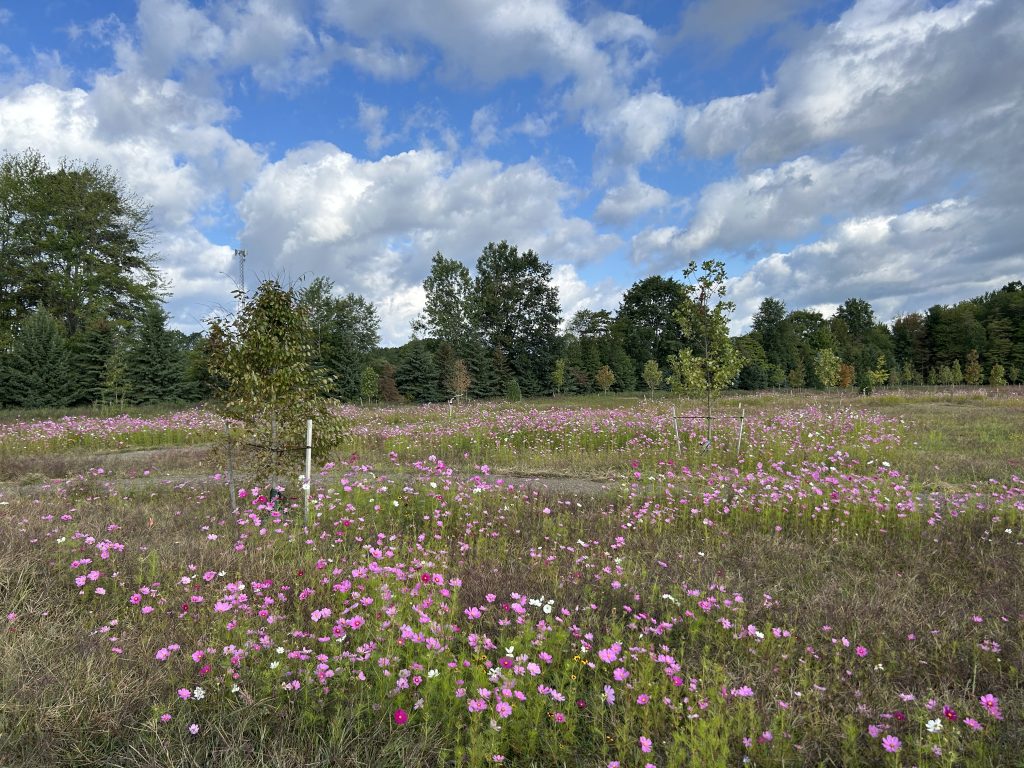
This Annual, Non-Native Flower Kicks Off Our Restoration Process. Here’s Why.
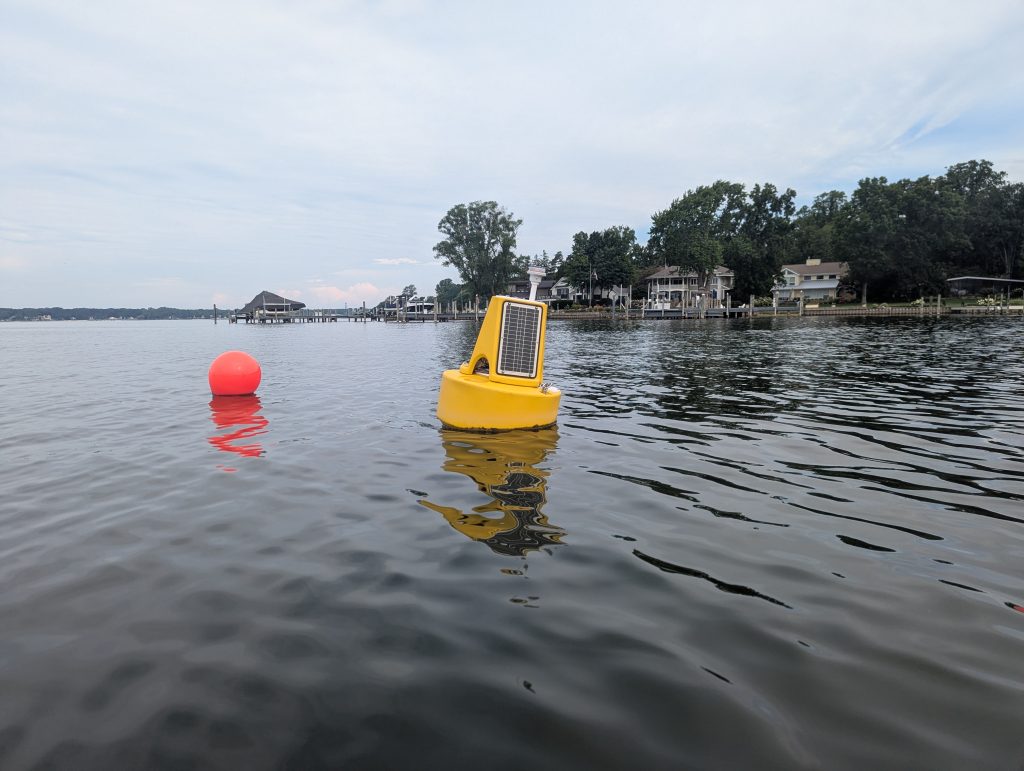
How We’re Tracking Lake Macatawa’s Water Quality in Real Time
How We’re Restoring Lake Macatawa—and Protecting Its Future
