
Designing What’s Possible at Duneside
What if the spaces where children learn were designed as intentionally as the lessons themselves?
At the Duneside Discovery Center at Mary A. White Elementary in Grand Haven, that question became a shared effort between ODC Network and Grand Haven Area Public Schools, resulting in a new model for how outdoor learning can be integrated into everyday education.
The result is more than a new facility; it represents a new approach to how learning happens.
With programming already underway and educators prepared to lead, the full outdoor learning environment is on track for completion by summer 2026.
Duneside is designed to do more than enhance learning, it expands what is possible for children, families, and the community.
Starting with Educators
This work didn’t begin with a design plan. It began with people.
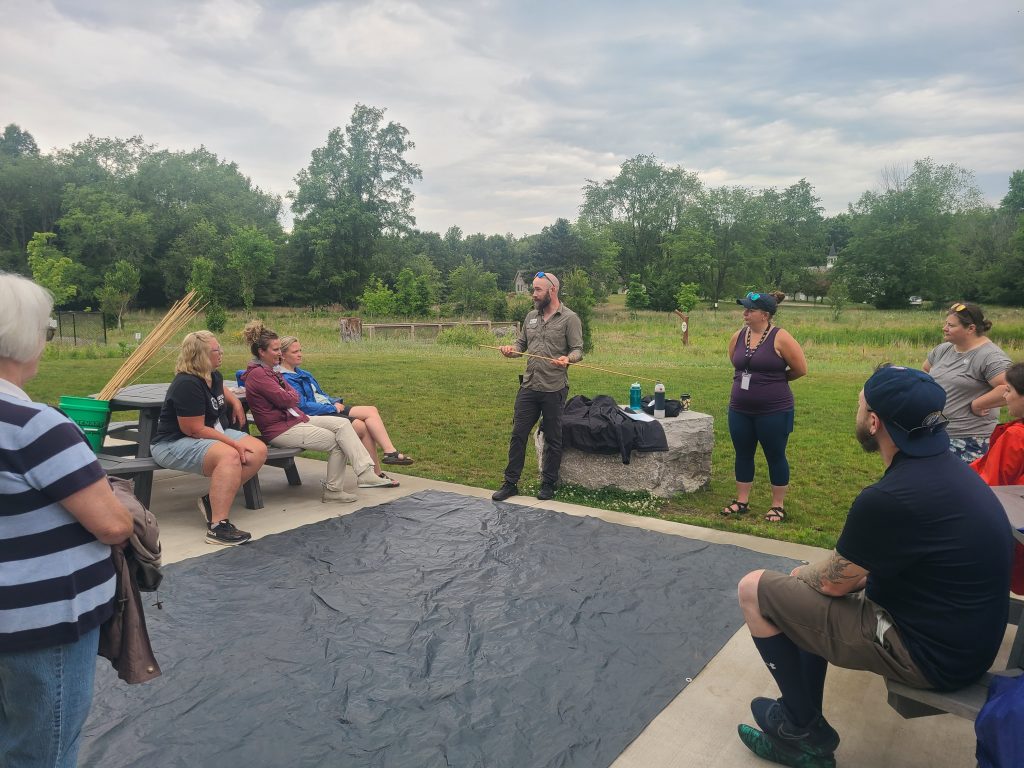
Over four months, ODC Network partnered closely with teachers and administrators to understand instructional goals, student needs, and how outdoor environments could better support both.
Through that process, our team worked alongside educators to align teaching practices with the physical environment, ensuring the space would be used meaningfully from day one.
This included coaching, co-planning, and hands-on collaboration to help educators confidently integrate outdoor learning into daily instruction.
Expanding Access for Families and Community
The center created capacity for 200 children ages 3–5, helping reduce barriers to early childhood education and supporting the needs of working families in the community.
At least half of programming is designed to serve children from low-income families and those with disabilities, ensuring broader access to high-quality, nature-based learning experiences.
Beyond the school day, many outdoor spaces, including trails and play areas, are being designed for public access, creating opportunities for the wider community to connect with nature.
Building Spaces and the Skills to Use Them
At Duneside, the goal isn’t just to build an outdoor learning environment. It’s to build a system.
The resulting site will include:
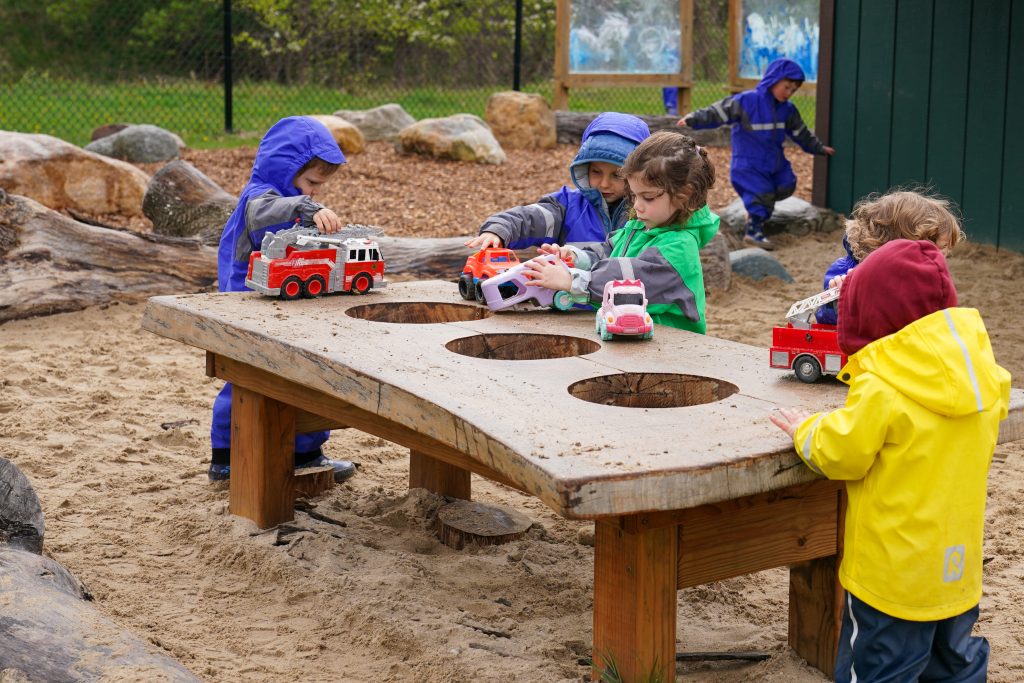
- Play-and-learn spaces adjacent to classrooms that support creativity, movement, and exploration daily
- Trails and green spaces that encourage independence and discovery
- Restored landscapes, including native dune and meadow habitats, and a tree canopy
These environments are intentionally designed at varying distances from the building, allowing students to gradually build confidence, take appropriate risks, and expand their capabilities over time.
But what makes these spaces powerful is how they will be used.
With the right support, teachers are able to bring learning outdoors in ways that strengthen engagement, deepen understanding, and create more dynamic classroom experiences.
A Community Investment in What Matters Most
This work is made possible through a combination of public and community investment.
Support from the Ottawa County American Rescue Plan Act (ARPA) and a grant from the Grand Haven Area Community Foundation helped bring this vision to life, funding the development of outdoor learning environments, nature-based play spaces, trails, and ecological restoration across the site.
Together, these investments support not only education, but also workforce participation, community wellbeing, and long-term environmental health.
A Model for What’s Next
Duneside reflects something bigger.
It shows what’s possible when schools, community partners, and funders come together to rethink how learning happens, bringing together design, education, and environmental expertise into one integrated approach.
This model reflects how ODC Network partners with schools and communities to bring outdoor learning to life, connecting environments, educators, and ecosystems to support meaningful, lasting impact.
Related Posts
Accessible Adventure: A Nature Program Built for Every Explorer
A Fallen Tree from ODC Gets a New Life at ArtPrize
This Annual, Non-Native Flower Kicks Off Our Restoration Process. Here’s Why.
How We’re Tracking Lake Macatawa’s Water Quality in Real Time
How We’re Restoring Lake Macatawa—and Protecting Its Future
