
Why Outdoor-Based Experiences Are Essential
to Education Right Now
By Travis Williams, CEO, ODC Network
Today’s children are growing up in a world dominated by screens. We are seeing rising anxiety, reduced attention spans, decreased physical activity, and lower levels of overall well-being. When every answer is immediate, the space for curiosity, imagination, and figuring things out is shrinking. That’s before the onset of AI, and the changes advanced technologies may bring to our daily lives, the education system, the workforce, and the communities we live in.
What we know for sure is that technology will continue to advance. As we try to prepare children for the future, the concern is whether or not they are developing the capacity to manage changes in technology, focus in a distracted world, solve real problems, and engage meaningfully with others.
That is a capacity built solely by putting down devices and engaging in real-world experiences.
The Power of Outdoor Experiences
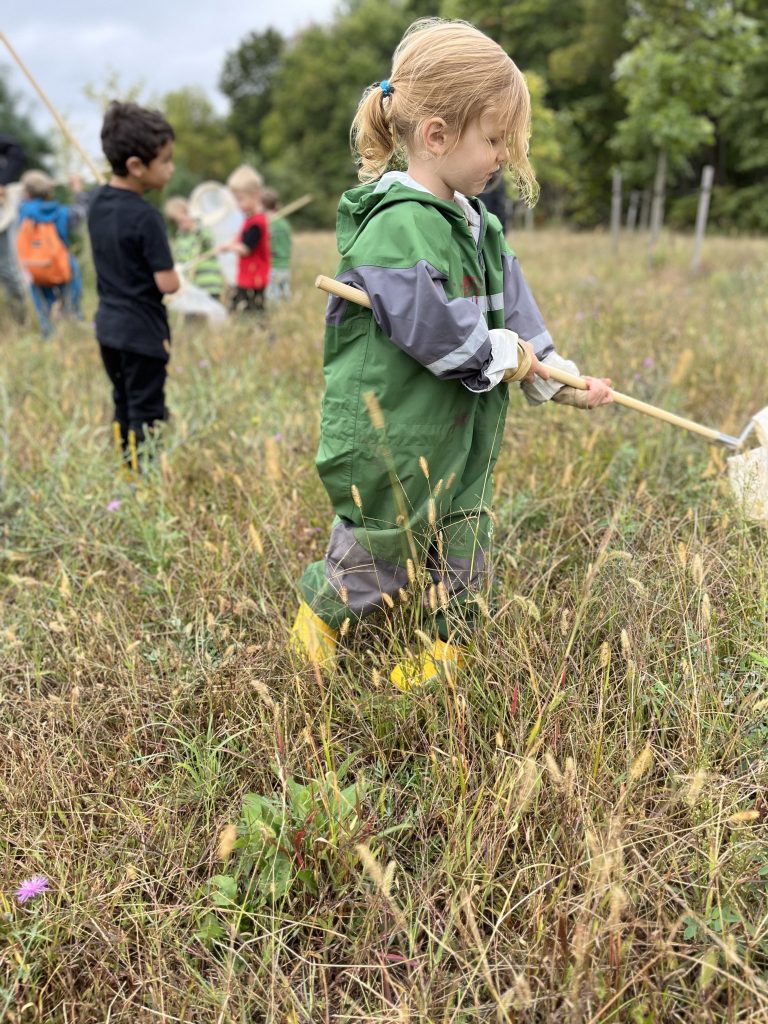
A growing body of research in child development, neuroscience, and education points to an urgent challenge: many young people today are missing the foundational experiences that allow them to think critically, regulate attention, collaborate effectively, and remain resilient in the face of complexity.
And increasingly, the evidence points to a simple but powerful truth. One of the most effective ways to build those capabilities is through consistent engagement in outdoor, place-based experiences.
Regular exposure to outdoor environments has been shown to reduce stress, improve emotional regulation, restore attention, and support cognitive function. It increases physical activity and strengthens overall health. Just as importantly, it builds focus, self-discipline, and resilience. These are not secondary outcomes. These are the conditions that make learning possible.
In simple terms, time outside helps the brain reset. It strengthens the neurological systems responsible for attention, memory, and emotional control. It creates the space where curiosity can emerge and where learning can actually take hold.
We often try to solve challenges in education by adding more – more curriculum, more technology, more interventions. In many cases, what students need most is not more input, but instead better conditions for development. Outdoor engagement provides those conditions.
Better Environments Lead to Better Learning
Where and how students learn matters. Many traditional indoor environments ask students to sit still, absorb information, and manage distractions. For many students, that is an unnatural way to learn. If we want different outcomes, we have to be willing to create different environments.
Outdoor-based and place-based learning environments change how students engage with learning itself. These environments are dynamic and interactive. They invite exploration. They require observation. They create natural opportunities for problem-solving and collaboration.
It’s not accidental then that students who regularly learn outside or in outdoor-integrated settings consistently show higher levels of engagement, improved behavior, and stronger academic performance. They have space to ask more questions. They have the proper inputs to stay focused longer. And they have more opportunities to take risks and work through challenges.
What This Looks Like in Practice
This is not theoretical. It is already happening.
Through our Reimagining Education work, ODC Network partners with school districts to integrate outdoor-based and place-based learning into everyday instruction. This is not about occasional field trips or enrichment activities. It is about redesigning where and how learning happens.
This work includes aligning outdoor environments with curriculum, supporting educators with training and tools, and creating systems where students regularly engage outside as part of their normal school experience.
At numerous partner schools, like Duneside Discovery Center in Grand Haven, Holland Christian Forest School, Holland Heights Elementary in Holland, and Riley Farms Elementary in West Ottawa, we are seeing this approach in action—with learning environments, teaching practices, and daily routines aligned to support engagement, independence, and deeper learning.
Students are not just learning about the world. They are learning in it. And as a result, they are more engaged, more confident, and better prepared to navigate complexity.
The results are clear.
In schools implementing this approach, we are seeing:
- 80% reduction in absences (compared to years prior to nature-based learning)
- 60% decrease in behavior issues
- 27% increase in literacy rates (compared to peers in other programs)
This is what happens when the conditions for learning are right.
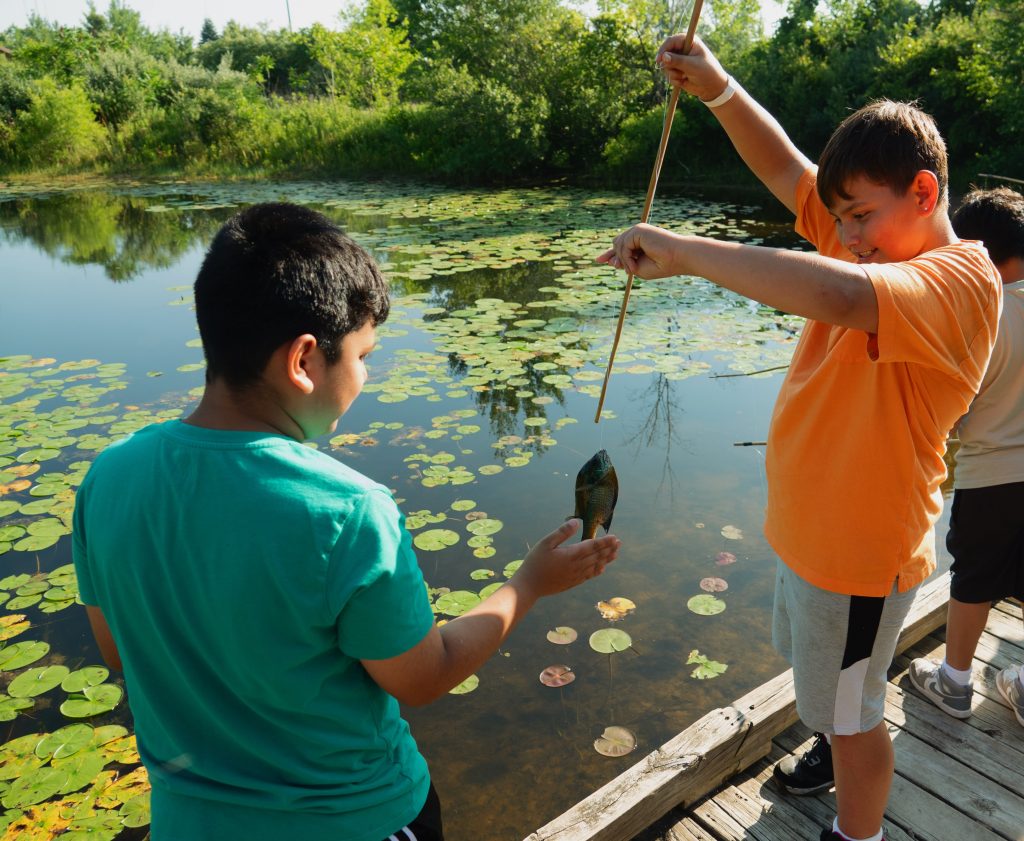
This is the foundation for future success. It’s built through experience, through challenge, through connection to the real world.
These outcomes don’t just benefit students—they contribute to stronger, healthier, and more connected communities.
We should continue to invest in technology. But we must also invest in the human foundation that determines how that technology is used. That foundation is built through experience, challenge, and connection to the real world.
It’s built outside.
Related Posts
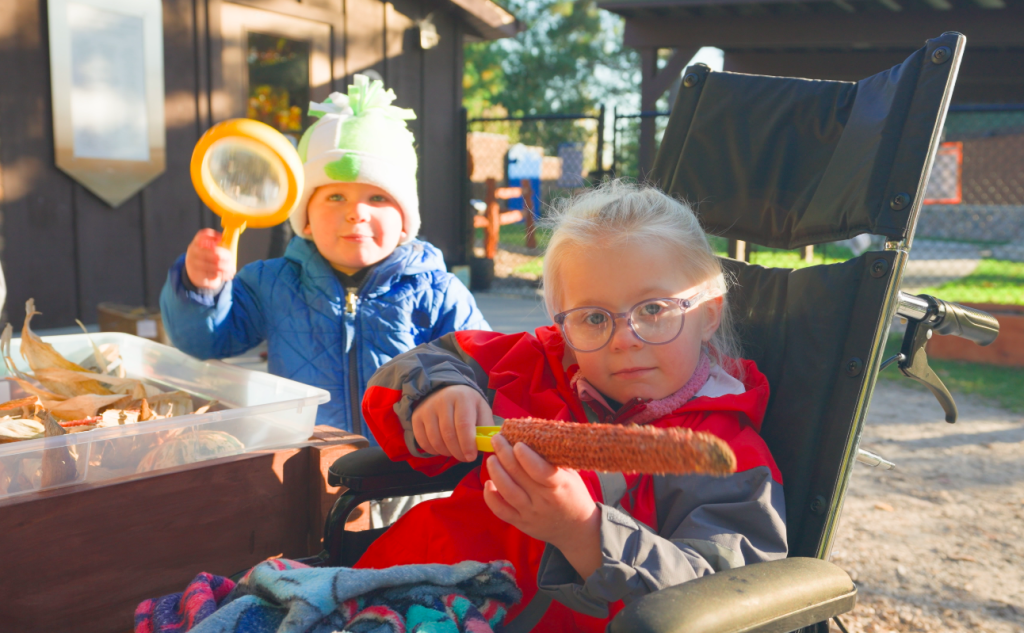
Accessible Adventure: A Nature Program Built for Every Explorer

A Fallen Tree from ODC Gets a New Life at ArtPrize
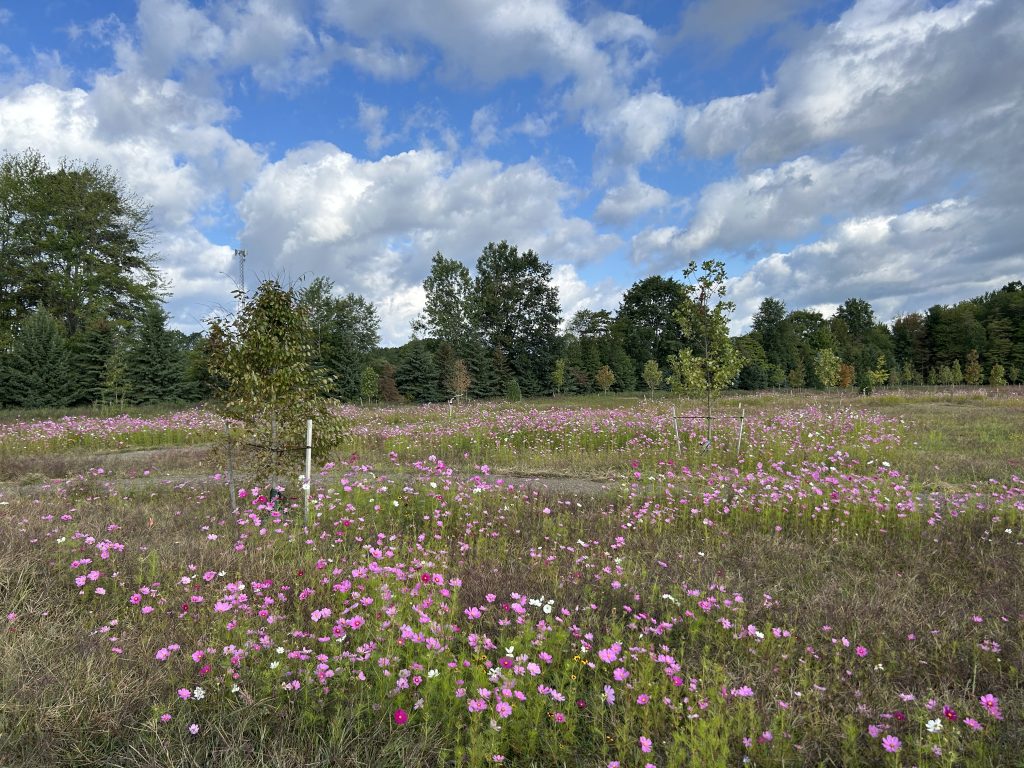
This Annual, Non-Native Flower Kicks Off Our Restoration Process. Here’s Why.
How We’re Tracking Lake Macatawa’s Water Quality in Real Time

How We’re Restoring Lake Macatawa—and Protecting Its Future
